
Chamber Blog
By. Neil Williamson, Free Enterprise Forum President
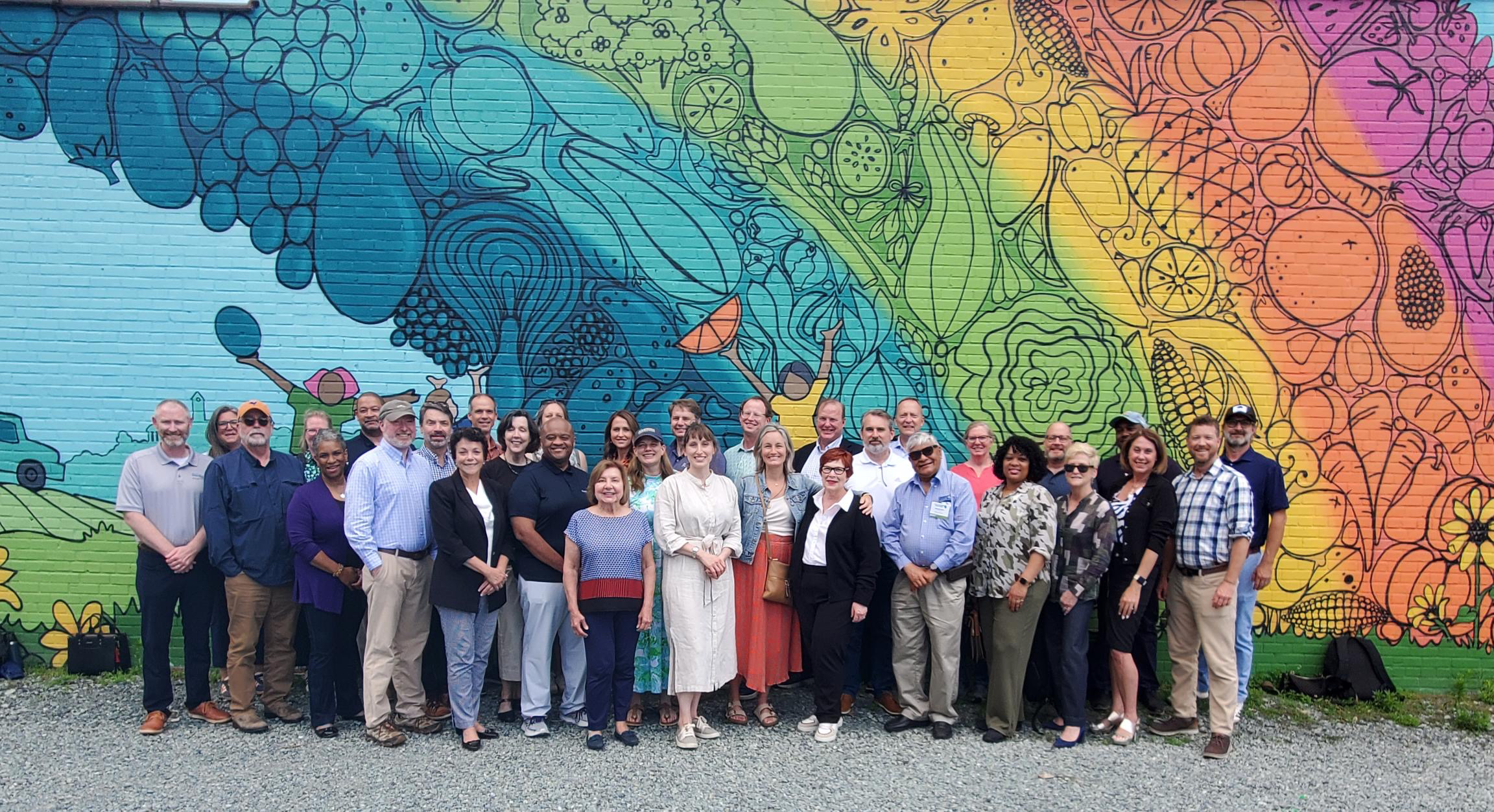
In late May, 35 leaders from Charlottesville and Albemarle County traveled to Chapel Hill, North Carolina, on a Chamber of Commerce fact-finding mission to explore how another university-centered community addresses growth, university-community relations, homelessness, affordable housing, economic development, workforce development, and transit. Organized by the Charlottesville Regional Chamber of Commerce, the trip brought together representatives from government, nonprofits, higher education, and the private sector.
Economic Development and University Partnerships
Chapel Hill, Carrboro, and Orange County officials emphasized that talent has become the primary driver of economic development. Local leaders highlighted recent business recruitment successes, infrastructure investments, and close collaboration with the University of North Carolina (UNC). Participants noted UNC's active role in community development, including neighborhood investments and the creation of university positions dedicated to community relations.
Community Preservation and Development
Walking tours exposed participants to Chapel Hill's efforts to balance growth with neighborhood preservation. The Northside neighborhood, a historically Black community, demonstrated how targeted university investments have helped maintain community character. Attendees drew parallels to Charlottesville's historically Black neighborhoods and discussed potential opportunities for University of Virginia involvement.
Downtown development tours highlighted Chapel Hill's pedestrian-friendly design, expanded bike infrastructure, pocket parks, and efforts to reduce vehicle dominance while maintaining economic vitality.
Homelessness and Public Safety
A panel featuring police, university, and local government leaders focused on collaborative approaches to homelessness and public safety. Chapel Hill officials stressed relationship-building before crises occur and described initiatives including specialized downtown patrol units, police substations, enhanced communication efforts, and a "Listen First" philosophy. Participants emphasized the importance of breaking down organizational silos and coordinating responses across institutions.
Affordable Housing Innovations
One of the most significant areas of interest was Chapel Hill's affordable housing model. Participants learned about the Community Home Trust, which acquires affordable housing units created through inclusionary zoning requirements and maintains long-term affordability through a community land trust model. Homebuyers purchase the structures while the trust retains ownership of the land through 99-year leases.
The group also visited Weaver's Grove, a mixed-income development led by Habitat for Humanity Orange County. The project demonstrated innovative approaches to creating economically diverse neighborhoods while leveraging market-rate development to support affordable housing construction.
Transit and Infrastructure
Chapel Hill Transit presented its fare-free public transportation system, which is jointly supported by Chapel Hill, Carrboro, and UNC. The system includes extensive park-and-ride facilities, frequent service, and a planned Bus Rapid Transit line supported by substantial federal funding. Participants discussed lessons for regional transit coordination in the Charlottesville area.
Innovation and Workforce Development
Sessions at UNC's innovation hub, The Junction, showcased the university's role in fostering entrepreneurship and economic growth. Workforce development discussions highlighted strong partnerships among UNC, Durham Technical Community College, local businesses, and workforce agencies.
Regional leaders identified healthcare and education as the dominant employment sectors, with significant projected growth in healthcare jobs over the next decade. Panelists emphasized educational attainment, workforce training, internships, and career pathways as key strategies for expanding economic opportunity and reducing generational poverty.
Key Takeaways for Charlottesville-Albemarle
Participants identified several major lessons from the exchange:
· Strengthen City-County-University collaboration, particularly among UVA, Charlottesville, and Albemarle County.
· Promote regional civic pride and positive storytelling about community achievements.
· Explore affordable housing tools, including land trusts and adjustments to inclusionary zoning policies.
· Improve transit coordination by integrating transportation providers into regional planning structures.
· Increase accountability and progress tracking on major community priorities such as workforce development, housing, homelessness, and education.
· Foster innovation and cross-sector collaboration by reducing organizational silos.
Overall Conclusion
Participants returned from Chapel Hill with new ideas, practical examples, and renewed inspiration. The exchange demonstrated how strong partnerships among local governments, universities, nonprofits, and businesses can address complex community challenges while supporting growth, affordability, workforce development, and quality of life. Many attendees viewed Chapel Hill's collaborative culture and willingness to embrace change as a model worth adapting to the Charlottesville-Albemarle region.